


IVD Expertise Across Every Use Setting
Diagnostic testing has experienced a rapid transformation in the post-pandemic era. There has been an increased focus on patient-centric testing, greater demand to reach more diverse and targeted subject populations, and an emergence of new technologies.
Beaufort has been at the forefront of supporting sponsors during this evolution. We understand the unique complexities, risks, and requirements of IVD clinical studies across all testing environments. Our IVD clinical trial services cover clinical trial management, regulatory affairs, data sciences and operations, and quality assurance to help sponsors speed their path to market.
Download our solutions brochure to learn more.
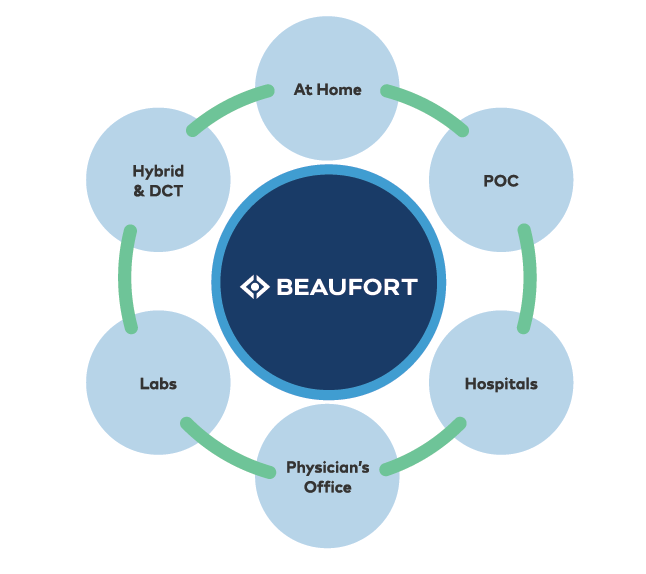
DCTs & HYBRID MODELS
Beaufort’s team of experts design, plan, and execute decentralized and hybrid clinical trials with customized solutions that deliver greater flexibility and support for sponsors, sites, and patients. Our combination of technology-enabled services, operational expertise, and strategic partnerships help to:
- Improve subject recruitment and enrollment with data-driven targeting based on disease prevalence, population density, and other key indicators
- Simplify and optimize processes through integration of best-of-breed technology platforms
- Strengthen data integrity, quality and security with eConsent, eSource, and Direct Data Capture integration
- Reduce study timelines through remote monitoring, virtual visits, and patient-friendly tools
POC & AT-HOME DIAGNOSTIC TESTING
Point of care and at-home diagnostic testing present distinct considerations compared to traditional
laboratory-based tests. Advances in new technologies including devices for self-testing further highlight the need for an experienced CRO partner. Our full service solutions include:
- Comprehensive clinical planning
- Study design & protocol development
- Usability testing & evaluation
- Subject recruitment
- Clinical trial monitoring
- Regulatory strategy & submissions
- Data analytics
- Biostatistics planning and analyses
- Data management & operations
- Cybersecurity
Contact us to see how we can support your next project.
Recently there have been several US and OUS IVD-focused new or proposed regulatory requirements with the potential to impact IVD and LDT manufacturers’ quality management systems (QMS). The implications of these evolving pre- and post-market requirements are wide-ranging and require a clear understanding to inform a strategic yet pragmatic approach for implementation. An overview of these recent regulatory requirements and proposals follows:
QSR to ISO 13485:2016
On January 31, 2024, the FDA issued the Quality Management System Regulation (QMSR) Final Rule, amending the device good manufacturing practice (CGMP) requirements of the Quality System (QS) Regulation under 21 CFR 820 to align most closely with the international consensus standard for Quality System Systems, ISO 13485:2016. Substantively, there is no change to the scope of FDA expectations for a comprehensive quality management system.
The FDA refers to the revised 820 as the “Quality Management System Regulation” (QMSR) and uses the terms “Quality System (QS) Regulation” or “QS regulation” when referring to the unrevised 820.
Incorporation by reference[1] of the QMS requirements of ISO 13485:2016 and Clause 3 of ISO 9000:2015, will provides a similar level of assurance in a firm’s quality management system and ability to consistently manufacture devices that are safe and effective and otherwise in compliance with the Federal Food, Drug, and Cosmetic Act (FD&C Act). However, this amendment makes the integration of risk management into quality systems much more explicit, with changes to terminology that aligns with ISO 13485 – such as the elimination of design history file and device history record.
The FDA extended the proposed transition period from one to two years. FDA will enforce the QMSR requirements beginning February 2, 2026. The changes introduced in the amendment will require a comprehensive gap analysis to gain a clearer understanding of how to align your QMS with the new QMSR. This potentially presents a large scope of work for all manufacturers, especially for those that have previously only conducted business domestically and have less experience with the ISO standard.
Our specialized experience can support your efforts to ensure compliance with the following services:
• QMS design and implementation
• Process and documentation review
• Gap assessment & remediation
• SOP development
• Auditing
• Inspection Readiness
• Training
Laboratory Developed Tests (LTDs)
Historically, FDA has generally exercised enforcement discretion over most Laboratory-Developed Tests (LDTs). When the Medical Device Amendments of 1976 were introduced, LDTs were often lower-risk IVDs developed and used in a single laboratory. LDTS were often developed to address an unmet medical need, e.g., targeting rare diseases for which there were no commercial tests available because the tests would be used so infrequently as to be deemed unprofitable by most companies. Today’s LDTs are developed, manufactured, and used more in-line with those cleared or approved by the FDA; they are often complex, instrument-based assays manufactured in high volume and used to test patient samples shipped in from across the United States.
Due to the impact that the use of diagnostics, including LDTs, is having on patient care, as well as concerns about safety and accuracy of LDTs, FDA has proposed phasing out the general enforcement discretion approach they have taken with most types of LDTs, to make explicit that “in vitro diagnostic products” as defined in 21 CFR 809.3 include those devices manufactured by a laboratory.
Manufacturers of certain types of LDTs will need to be prepared for increased FDA scrutiny during the four-year phaseout period and be fully in compliance with requirements for IVDs by the conclusion of the phaseout program.
With the rule under review by the Office of Information and Regulatory Affairs (OIRA) within the Office of Management and Budget (OMB) since early March, the FDA’s goal of finalizing the rule by Q2 of 2024 appears to be within reach.
Our team can assess and support the impact on your new and existing product development with:
• Classification assessments
• QMS design and support
• LDT verification and validation
• FDA Inspection readiness
• Pre- and post-market submission support
Read more details in our blog here: https://beaufortcro.com/blog/fdas-proposed-rule-for-ldts/
IVDR
To mitigate the risk of shortages for certain high-risk IVDs, on January 23, 2024, the European Commission posted a proposal aimed at further extending the transition period for Regulation (EU) 2017/746 (IVDR). As part of the proposal, the transition period for class D devices, those with high individual and public health risks, would extend until December 2027. Class C devices would have a transition period until December 2028, and class B and class A sterile devices would follow, with a transition period ending December 2029. This extension will only apply to CE-marked IVDs that are already on market and comes with additional conditions.
Manufacturers of all classes of IVDs must have IVDR-compliant quality management systems in place by 26 May 2025, which means that class C or class B and class A sterile devices may be working with less time to align their quality management systems than had previously been anticipated. The manufacturer must also submit an application to the notified body indicating the intent to transition to the IVDR in order to qualify for the extended transition. The deadline for these applications is May 2025 for class D devices, May 2026 for class C devices, and May 2027 for class B and class A sterile devices. In a press release dated February 21, 2024, the European Council stated they have endorsed the updates to Regulation (EU) 2017/746; publication in the Official Journal of the EU could occur as early as April 2024.
Beaufort can help translate all of the complexities to understandable requirements and support all aspects of your implementation with the following:
• Legacy and new device support
• Conformity assessments
• IVDR-compliant QMS assessments and implementation
• Technical documentation preparation and review
• Clinical evidence strategies
• Performance Study Documentation preparation
• Responses to Competent Authority / EC Review questions
• Labeling and UDI compliance
• Distance sale (“LDT”) requirements
Read more here: https://beaufortcro.com/blog/the-potential-impact-of-the-eu-commissions-proposal-to-delay-ivdr-implementation/
Learn More About How Beaufort Can Help
At Beaufort, we specialize in guiding manufacturers through the intricacies of the latest regulatory proposals and updates with expertise in global regulatory affairs and quality consulting, clinical trial services, and data sciences.
Read our latest solutions brochure or contact us today for a consultation.
Contact UsResources:
1Incorporation by reference (IBR) allows Federal agencies to comply with the requirement to publish rules in the Federal Register and the Code of Federal Regulations (CFR) by referring to material already published elsewhere. The legal effect of IBR is that the material is treated as if it were published in the Federal Register and CFR. This material, like any other properly issued rule, has the force and effect of law. (https://www.archives.gov/federal-register/write/ibr#:~:text=Incorporation%20by%20reference%20(IBR)%20allows,to%20material%20already%20published%20elsewhere. Accessed March 13, 2024 and https://www.ecfr.gov/incorporation-by-reference Accessed March 13, 2024)

The clinical research landscape for in-vitro diagnostics (IVD) and medical devices is experiencing a rapid evolution driven by technological advancements. The COVID-19 pandemic certainly spurred the development and integration of new technology platforms with necessity largely driving industry adoption. Many sponsors are not realizing the full potential of the latest advances to improve the management and execution of their medical device clinical trial services and IVD programs, even as technology platforms continue to evolve rapidly.

Senior Vice President, Chief Technology Officer
As a forward-thinking Contract Research Organization (CRO), Beaufort has maintained momentum and continues to apply best-of-breed technology solutions that deliver measurable benefits for sponsors, sites, and patients. This technology focus has allowed our clients the ability to leverage our expertise and apply these innovations to streamline processes, enhance data quality, ensure regulatory compliance, and, ultimately, simplify and accelerate the development of ground-breaking products.
Optimizing the IVD and Medical Device Trial Journey with Technology
There are a wide variety of systems and tools that can help optimize operations within the clinical research paradigm and offer time and cost savings for sponsors.
eSource and Direct Data Capture:
Data acquisition within the trial environment remains a significant challenge. Studies are capturing more and more data all while maintaining the mandate for safety, quality, and completeness. For diagnostic trials, eSource allows for the direct capture of data from laboratory instruments and laboratory information management systems (LIMS), eliminating manual transcription errors and ensuring data integrity. Similarly, for medical device trials, eSource can integrate with device data streams, providing real-time insights into device performance. Direct Data Capture (DDC) allows clinical sites to input information directly in the Electronic Data Capture (EDC) system, removing cumbersome and time-intensive transcription from paper.eConsent and Patient Engagement:
Providing the ability to engage patients wherever they might be, eConsent platforms deliver a user-friendly interface for patients to electronically review informed consent documents, ask questions, and provide electronic signatures, enhancing patient engagement and streamlining the consent process. In addition, eConsent platforms can integrate directly with the EDC, allowing for efficiencies like automatic subject creation and the triggering of consent-driven workflows. Integration of hybrid solutions that continue to offer paper-based options helps eliminate adoption concerns for subject populations that are hesitant to use electronic forms.Data Integration and Real-Time Visibility:
Fragmentation of data across disparate systems can hinder efficient trial management. Advanced data integration tools allow for seamless exchange of information between clinical trial management systems (CTMS), LIMS, EDC and device data streams, providing a holistic view of the trial in real-time. Beaufort has found that having integrated platforms allows for the rapid performance of interim data analysis and enhanced visibility into overall trial trends and potential issues.Operational Analytics and Data-Driven Decisions:
Operational performance is crucial to running a successful trial. By bringing together data from various clinical platforms, the savvy CRO is able to provide key performance indicators around monitoring and site performance. These insights enable proactive course correction, improved resource allocation, and optimized trial execution.Cybersecurity and Data Protection:
The backdrop of ever-evolving cybersecurity threats presents sponsors with considerable challenges in ensuring their products are both compliant and secure. Add to this increasing regulatory requirements and it becomes critical to select a partner with extensive cybersecurity experience. Maintaining compliance with industry regulations like 21 CFR Part 11, HIPAA and GDPR is paramount. In addition, recent regulatory guidance has greatly expanded the need to document all components of a proposed product to include vulnerability assessment and threat modeling.Automation and Streamlined Workflows:
Repetitive tasks such managing regulatory documents, scheduling site visits and monitoring trial timelines can be automated, freeing up valuable human resources for higher-level activities like data analysis, risk management, recruitment/enrollment, and protocol development.
The Power of Partnership: Why Technical Experience Matters
Applying a holistic and platform-agnostic view ensures access to the best-fit solutions for each specific IVD or medical device trial
A CRO’s established relationships with a wide variety of platform providers offer a significant advantage for sponsor programs. Applying a holistic and platform-agnostic view ensures access to the best-fit solutions for each specific IVD or medical device trial, considering factors such as device compatibility, regulatory compliance, and integration capabilities.
Beaufort’s team has considerable experience in evaluating and utilizing the latest technology solutions. We bring a deep understanding of the strengths and value of leading platforms and can provide seamless integration and ongoing support, maximizing efficiencies and minimizing disruption for study teams.
Navigating the Evolving Regulatory Landscape and Addressing Emerging Challenges
The regulatory landscape for IVD and medical devices has also been evolving to address guidance issues as it relates to cybersecurity and technology. It is critical for a CRO to proactively monitor regulatory changes and ensure their technology stack remains compliant with the latest guidelines, such as the EU IVDR and the US FDA’s regulations for medical devices. Additionally, rapidly advancing fields like Artificial Intelligence (AI) hold exciting potential in areas like image analysis and clinical trial design, but also raise questions about validation, ethical considerations, and regulatory clarity. A proactive CRO, like Beaufort, actively engages with regulatory bodies and industry stakeholders to address these challenges and ensure trials remain compliant and ethically sound.
Choosing the Right Partner for Success
Selecting the right CRO is crucial for the success of IVD and medical device trials. Look for a partner with:

Proven track record of leveraging technology:
Experience in applying the latest technological advancements specifically within the context of IVD and medical device trials.Established relationships with leading platform providers:
Access to a wide range of best-fit technology solutions tailored to the specific needs of your trial.Commitment to navigating the evolving regulatory landscape:
Proactive approach to ensuring compliance with the latest IVD and medical device regulations.Deep understanding of IVD and medical device workflows:
Expertise in streamlining trial processes and optimizing data collection specific to these fields.Thorough knowledge of evolving Cybersecurity and Privacy requirements:
Wide experience with documenting and performing cybersecurity risk assessments, threat modeling, vulnerability remediation, and change management.
By partnering with a tech-savvy CRO like Beaufort that demonstrates these qualities, you gain a valuable extension of your team, equipped to drive efficiency, data quality, and ultimately, accelerate the development of innovative IVD and medical device solutions that improve patient care.
Contact us today to see how Beaufort applies technology to support your next clinical research project.
Learn More
A key and distinct characteristic of IVD clinical studies is that they are conducted on samples taken from study participants. Patient samples may still be used in other types of studies, for example, to show drug concentration in the blood during a pharmaceutical study; however, for IVD clinical studies, analysis of the patient sample is the source of the primary data set supporting your device’s clinical performance in a regulatory submission.
Due to the criticality of the patient samples, a sample management approach that clearly demonstrates appropriate sample handling as well as a well-documented audit trail is of the utmost importance. In an IVD clinical study, samples that are misplaced, mishandled, or otherwise invalidated will have an impact on timelines, budget, and data integrity – which could jeopardize your entire study.
Strategic Sample Management
Successful sample management starts early by clearly defining in the study protocol how you plan to maintain sample integrity. The more clearly defined and articulated practices that are in place supporting sample management, the better your chances are of being able to provide a complete, documented record of the sample journey and chain of custody (CoC).
All sample management strategies have three primary points during the sample’s journey where well-defined processes and parameters are needed:
- sample collection
- sample processing
- sample transportation and storage
The sample management strategies you decide on will vary based on several factors, including the target analyte, the sample type, and the intended use setting.
The sample management strategies you decide on will vary based on several factors, including the target analyte, the sample type, and the intended use setting. Due to the range of intended use settings for IVDs, there may be additional analytical testing requirements to support sample stability and collection parameters. IVDs also have a wide array of common sample types with differing collection, processing, and handling intricacies.
Beaufort’s IVD clinical trial services provide deep expertise from the early planning stages of your study, ensuring the choices you make support proper sample handling and study success.
Adapting to Use Settings
It is important to consider the intended use setting. Is this a point-of-care device where the turnaround time from sample collection to testing will be minimal? If so, additional analytical testing supporting analyte stability for the sample in ambient storage conditions may be required in order to ensure the sample is processed before any impact to integrity of the sample (and thus the data) occurs. Are you developing a home test in which the patient collects the sample then ships the sample for testing at a central lab? Then freeze/thaw data and sample shelf-life data may help guide shipping specifications, in addition to sample collection instructions for the home user. The IVD risk classification and intended regulatory pathway, as determined by the device’s intended user and intended use setting, can be used to inform decisions about the data needed to support sample management in the clinical study protocol.
Diverse Sample Types and Handling Requirements
A variety of sample types, such as nasal swabs, nasal wash, blood, and tissue, are used in IVD clinical studies. These samples may be collected prospectively or retrospectively or may be purchased from sample banks or well-characterized cohorts. Further, samples may be impacted by conditions such as hemolysis, lipemia, or bilirubin interference during collection. It is important for the protocol to clearly articulate the source of the samples as well as appropriate collection techniques and materials, including the quantity and quality of sample needed. Questions to consider addressing in your protocol could include:
- What transport media are acceptable?
- Will samples be collected under informed consent prospectively for the study or purchased from a sample bank?
- What size blood collection tubes should be utilized to collect the necessary blood volume for testing?
- How soon after collection should samples be processed before testing or shipment?
- Will a sample with hemolysis affect your analyte results?
As sample contamination could have major effects on test accuracy, precautions should be taken during sample collection to ensure samples remain free from contaminants. Samples that may be biohazardous will warrant extra precautions, and it is advisable for these to be well-documented in the protocol and emphasized during training.
Labeling Protocol Considerations

Proper specimen labeling at the point of collection is a critical process to define in your protocol. Misidentified or inadequately labeled samples are a major source of sample management failures, so having clearly communicated expectations for sample labels can help protect the integrity of your samples and data. A typical label would include the protocol number, a site and subject identifier, and a unique identifier for that sample.
In some cases, it is desirable to collect enough sample to divide into multiple aliquots that can be tested, shipped, and stored for future use. In this case, the label should indicate the aliquot number of the sample or if it is a paired sample (i.e., Swab 1 of 2). Handwritten labels are not advised. The labels should also be durable enough to withstand expected storage conditions. For example, labels should remain adhered at -80°C or colder if samples are to be stored in an ultra-freezer. Likewise, samples that might sit in an ice or water bath should be waterproof. It is important for study sites to be provided with appropriate sample collection materials (including sample labels), and all expectations regarding labeling and documentation of all samples and sample types should be emphasized and understood.
Aligning Site Capabilities with Protocols
The procedure for collecting samples should be clearly and comprehensively articulated in your protocol and part of study training. Regular communication with your sites will also increase protocol adherence, as will employing robust, frequent quality control processes.
Partners with IVD expertise are better equipped to comprehend the nuances of the IVD protocol and ensure that the documentation requirements are met….
Working with established sites with proven competence, as well as utilizing monitors that are experienced with the nuances and intricacies of IVD sample management, improves the sample integrity you can expect during your study. Partners with IVD expertise are better equipped to comprehend the nuances of the IVD protocol and ensure that the documentation requirements are met to provide traceability into the sample handling and chain of custody.
Depending on your intended use setting and your investigational product characteristics, sample processing could happen immediately upon collection, or samples could be sent to a central lab for evaluation. In addition, site capabilities, processes, and procedures must line up with protocol requirements.
Ensure that your clinical study testing sites have the proper equipment and that any equipment that requires calibration, validation, and/or preventative maintenance have defined processes for documenting that these steps have occurred and are available for monitoring review during the study. The timing and logistics of sample testing should be explained in the protocol and during study training, and operators must understand how to perform testing with the investigational device(s) as well as operate any equipment required for sample processing. Reasonable safety precautions when working with any biological material is always advisable, but for samples that are known to be or may be biohazardous, such as those used for infectious disease studies, proper biohazard precautions must be in place and the biohazard training for study personnel handling these materials documented.
Your protocol should define disposition of samples following processing or testing. If samples are to be discarded, their disposal must be documented. If sample retains are kept, their storage parameters should be made explicit in the protocol and storage conditions documented throughout the study. If samples are to be returned to a central laboratory or Sponsor for storage, shipping conditions should be outlined in the protocol and evidence kept as part of study documentation.
Optimizing Sample Storage and Shipping
As the sample is key to obtaining data in IVD studies, storage conditions that maintain analyte stability within the sample type and a well-documented chain of custody are paramount. At the outset of study planning, defined acceptance criteria should be established for factors affecting analyte stability such as sample collection and storage temperature, number of freeze/thaws, and time elapsed from sample collection to processing, testing and/or storage. Storage and shipping conditions during the conduct of the study need to align with the parameters contained in the protocol, and these conditions must be documented through various types of records including temperature logs, transit receipts, or records of the date and length of time each sample is removed from storage (for testing or shipping). Study sites should be able to always show the location and storage condition of all samples.
All sample handling must also be documented, as well as the condition of samples prior to shipping and upon receipt. In addition, it is important that any personnel responsible for sample collection, processing, handling, storage, or shipment be trained on the study and have a record of their qualifications, training, and responsibilities included in study documentation.
Managing the logistics of sample storage and shipping can be a challenge. Sites must ensure that there is an availability of storage space meeting protocol storage temperature and security requirements for the duration of the study. Any storage equipment (e.g., freezers or refrigerators) should be validated and have traceable, controllable temperature monitoring and a back-up system in the event of failure. Knowledge of shipping logistics and processes is essential, especially if the study requires same-day sample processing outside of the sample collection site. Local conditions may need to be taken into consideration during particularly cold or hot weather, as this may impact sample storage conditions during transit.
Partnering to Protect Your Sample Integrity
A comprehensive sample management plan involves meticulous oversight of the sample journey and documentation demonstrating that samples are handled in a manner that preserves their viability and adheres to the protocol. When samples are collected, processed, stored, or shipped incorrectly there is the greater potential for false or invalid results, damaging the integrity of the study. By considering sample management from the beginning of study design, the most effective and efficient sample handling procedures can be built into the protocol.
Leveraging Beaufort’s diagnostic expertise and team of experienced IVD clinical research professionals and established investigational sites, can ensure that your study’s sample management is streamlined, well-executed, and meet all regulatory requirements and all samples maintain their integrity throughout the entire sample management process.
Learn More
DEFINING THE INTENDED USER AND USE SETTING
The performance of IVD products depends not only on the accuracy of a test, but also on the user performing the test and the testing environment. Defining the intended user and intended use setting is one of the most important early decisions in IVD clinical trial services — it shapes risk-based classification, test complexity, appropriate regulatory submissions, and study design requirements.
In general, more stringent regulatory requirements are associated with tests that have a higher likelihood of error by the intended user.
In general, more stringent regulatory requirements are associated with tests that have a higher likelihood of error by the intended user. In cases where user error is more likely, a waived IVD may receive a higher risk classification (Class II vs. Class I), and require more regulatory oversight (e.g., a Clinical Laboratory Improvements Amendments of 1988 (CLIA) waiver application that includes additional studies) to ensure that users can reliably conduct the test and interpret it correctly.
The likelihood of error by the user is influenced by:
- The degree of specialized knowledge required to perform the test
- The degree of user training and experience for preanalytical, analytical and postanalytical phases of the testing process
- The degree of judgment required to perform the test and interpret the results
- Whether operational steps are manual or automated
- Whether quality control and calibration are available
- Whether reagents and materials are stable or require special handling
- Whether troubleshooting requires decision-making or is automatic
Effect of user and use environment on regulatory pathways:
A test that is intended to be used near patients (a point-of-care [POC] test) may be considered higher risk and require a more stringent regulatory pathway than one that is conducted in a laboratory setting. Consider the case of a cholesterol test, used in the diagnosis and treatment of disorders involving excess cholesterol in the blood. In the U.S., when conducted in a central laboratory, the test is classified as lowest risk, Class I, and is exempt from premarket notification procedures such as 510(k). However, the exemption from premarket notification no longer applies if the same test is intended for near patient (POC) testing.
Effect on regulatory requirements:
The user and use environment may also impact the “complexity” of the test, which, in turn, affects regulatory requirements. Specifically, in the U.S., an IVD’s test complexity will inform whether laboratory certification by CLIA is needed, or whether manufacturers will need to submit a CLIA waiver application. All U.S. facilities that perform laboratory testing on human samples for medical reasons are regulated under CLIA, which established quality standards for laboratory testing to ensure the accuracy and reliability of results in the intended use setting.

The FDA categorizes clinical laboratory tests by their complexity — from the least to the most complex: waived tests, moderate complexity tests, and high complexity tests. The FDA determines test complexity by reviewing the package insert test instructions in the premarket submission using the criteria listed in 42 CFR 493.17. The tests that are not waived by regulation under 42 CFR 493.15 and are not cleared or approved for home use or for over-the-counter use may be categorized either as moderate or high complexity.
In addition to submitting premarket notification, manufacturers whose tests are intended to be used for near-patient testing (POC), must also submit a CLIA Waiver by Application, which can be submitted separately from the 510(k) submission or through a dual 510(k) and CLIA Waiver by Application (Dual Submission) 510(k).
In general, a CLIA waiver requires the following additional studies:
- “Flex studies” demonstrating insensitivity of the test system to environmental and usage variations under conditions of stress
- A user study demonstrating that the test is simple to perform and has an insignificant risk of erroneous results in the hands of untrained operators in CLIA-waived settings
Effect on clinical research study design:
In studies, IVD testing must be conducted by the intended users of the product. Study site and personnel considerations need to be planned for IVDs that require more technical skill sets and specific equipment to ensure that these resources are available and that the location is appropriately qualified to conduct laboratory testing. Likewise, a testing-naïve population would be required in the design of studies in which patients collect the samples or conduct the tests themselves, as in the case of IVDs designed for home use.
Additional IVD study considerations — such as the need for informed consent or a Waiver of Informed Consent in the U.S. or General Data Protection Regulation (GDPR) disclosure in the EU – will depend on the type and nature of the patient information to be collected during the clinical study and the type of study procedures to be performed, including study-specific sample collection, and any risks to the patient.
DEFINING THE INTENDED USE (OR INTENDED PURPOSE) AND INDICATIONS FOR USE
The IVD intended use encompasses the intended user, intended use setting, the indication for which the test will be used (e.g., oncology, sickle cell disease, infectious disease), and what the test results will be used for, such as prognosis, diagnosis, screening, monitoring, or management or prediction of treatment. Some IVDs are also intended to provide information, which guides the use of a corresponding therapy.
A properly defined intended use is critical to identifying the appropriate risk classification of an IVD, the regulatory pathway and associated study design considerations.
A properly defined intended use is critical to identifying the appropriate risk classification of an IVD, the regulatory pathway and associated study design considerations. As part of a quality management system, a sponsor should assess the risk associated with the design, manufacture, and intended use of the IVD. Based on this assessment, relevant standards, references, and regulatory requirements can be identified and studies can be designed as a means to mitigate those risks.
Of note, companion diagnostics (CDx), which are used, for example, to identify patients who are most likely to benefit from a particular therapeutic product, may have rigorous regulatory requirements and considerations that are distinct from other types of IVDs. Because companion diagnostics provide information that is essential for the safe and effective use of a corresponding drug or biological product, companion diagnostics are often classified as Class III devices in the U.S., requiring premarket approval.
PARTNER WITH EXPERIENCE, PREPARE WITH CONFIDENCE
Sponsors face many decisions when planning to place their IVD on one or more markets. There are a wide range of interconnected considerations that can impact both timelines and budget. Ensuring that the product development and study designs are aligned with the regulatory strategy and requirements is critical.
Companies planning to commercialize an IVD should consider all applicable regulatory requirements as early as possible in the development process. In our experience, sponsors benefit from working with a full-service CRO partner with IVD services experience to ensure (1) a thorough understanding of all the regulatory requirements; (2) the proper design for the appropriate number and type of studies; and (3) the effective implementation of study protocols.
Contact us today to learn more or schedule a time to discuss your needs.
Insights in action from the IVD experts
As diagnostic manufacturers begin the commercialization process of their assay, a crucial first step is developing a comprehensive regulatory strategy that will inform program planning and study design. This whitepaper seeks to highlight key considerations during regulatory strategy development that will help ensure an IVD or CDx product successfully reaches the market.
Download our whitepaper to learn more about:
- How IVD studies are unique, and the steps required for effective regulatory strategy and study design
- Distinctions between regional IVD regulatory requirements in the U.S. and global markets

- Key characteristics of IVD assays that all sponsors must address in regulatory program planning
- An overview of study types and evidence requirements — and their impact on regulatory requirements
- Considerations for Companion Diagnostics (CDx), POC and home-use IVDs
Get the information you need to start your IVD study planning with confidence along with proven strategies for a successful FDA submission.

Impact on LDT manufacturers

Following last week’s presentation and group discussion at AMDM’s IVD Focus Meeting, FDA held a webinar on October 31st to review its Proposed Rule regarding Laboratory Developed Tests (LDTs) aimed at helping to ensure safety and effectiveness of LDTs. The Proposed Rule would amend the Code of Federal Regulations to make explicit that in vitro diagnostic products (IVDs) are devices under the Federal Food, Drug, and Cosmetic Act “including when the manufacturer of these products is a laboratory.”
The Proposed Rule describes a phaseout of FDA’s existing general enforcement discretion approach and would bring certain LDTs under the same regulations as other IVDs. FDA’s rationale for greater oversight reflects its view that healthcare decision makers are increasingly relying on diagnostic testing, and the critical importance of reliable and valid test results to protect public health.
The FDA believes the Proposed Rule will “advance responsible innovation by both laboratory and non-laboratory IVD manufacturers alike by better assuring the safety and effectiveness of IVDs offered as LDTs and removing a disincentive for non-laboratory manufacturers to develop novel tests.”
Proposed Rule Timeline
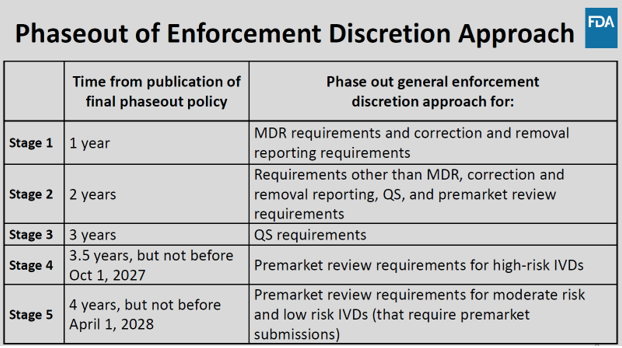
The phaseout of the FDA’s general enforcement discretion is proposed to occur in five stages over four years. This would allow for greater monitoring and assessment of LDTs to protect patients from any potential excessive risk without disrupting the LDT market. At the conclusion of the phaseout program, LDTs would be generally required to follow the same enforcement requirements as IVDs, unless they fall within specific exclusion categories outlined in the Proposed Rule.
Exclusions and Tests Unaffected by New Rule
The FDA outlines specific categories of tests that are excluded from the Proposed Rule, as “FDA has generally expected applicable requirements to be met,” and include:
- Tests that are intended as blood donor screening or human cells, tissues, and cellular and tissue – based products (HCT/Ps) donor screening tests required for infectious disease testing under 21 CFR 610.40 and 1271.80(c), respectively, or for determination of blood group and Rh factors required under 21 CFR 640.5
- Tests intended for emergencies, potential emergencies, or material threats declared under section 564 of the FD&C Act
- Direct-to-consumer tests intended for consumer use (without meaningful involvement by a licensed healthcare professional)
Categories of tests unaffected by the Phaseout policy include:
- “1976-Type LTDs”
- Human Leukocyte Antigen (HLA) tests
- Forensic Tests
- Public Health Surveillance Tests
Comments to FDA
The Proposed Rule can be accessed on the Federal Register and public questions and comments can be submitted to the FDA until December 4th. A final rule will be released after FDA has read and responded to comments. All LDT regulations FDA describes will become effective 60 days after the date it is published in the Federal Register.
FDA’s presentation can be viewed here:
https://www.fda.gov/media/173457/download?attachment
The transcript will be available here:
https://www.fda.gov/training-and-continuing-education/cdrh-learn
You can view the full Proposed Rule here:
https://www.govinfo.gov/content/pkg/FR-2023-10-03/pdf/2023-21662.pdf
You can submit your comments here:
Federal Register : Medical Devices; Laboratory Developed Tests
How we can help
The Proposed Rule represents a potentially dramatic shift for LDT manufacturers. Beaufort can assess the impact and provide support due to the Proposed Rule for LDTs. Contact us today for an initial consultation.


SVP Clinical Operations
The Beaufort team was a proud sponsor of The Association of Medical Device Manufacturers (AMDM) Fall IVD Focus Meeting held last week (Oct 19-20) in Los Gatos, CA.
Here are several highlights from the 2023 meeting:
FDA Update On LDT Proposed Rule Changes
On September 29, 20203, the FDA released a Proposed Rule for assuring the Safety & Efficacy of Laboratory Developed Tests (LDTs). This proposal will represent a dramatic shift and phaseout of FDA’s general enforcement discretion approach to LDTs. The AMDM presentation provided an overview of the guidance included the following discussion items:
- Proposed Rule brings LDTs under full FDA regulation and generally fall under the same enforcement approach as other IVDs.
- FDA’s rationale for the Proposed Rule:
- There is no sound basis for regulating LDTs and other IVD tests differently.
- LDT results may not be reliable for patient management use.
- Some LDTs show poor reproducibility of results, lack validation, no clinical data to support use and poor overall performance.
- Evolution and proliferation of LDTs
- Supports increased safety and protection of public health.
- FDA’s rationale for the Proposed Rule:
- FDA was not able to share a timeline but the expected close-out timeline for comments is December 2023.
- Final Rule projected to be published by Spring 2024.
Last week, FDA announced a webinar to be held on Tuesday, October 31st to review the guidance as outlined above as well as answer questions. You can register here:
Software Submission Best Practices
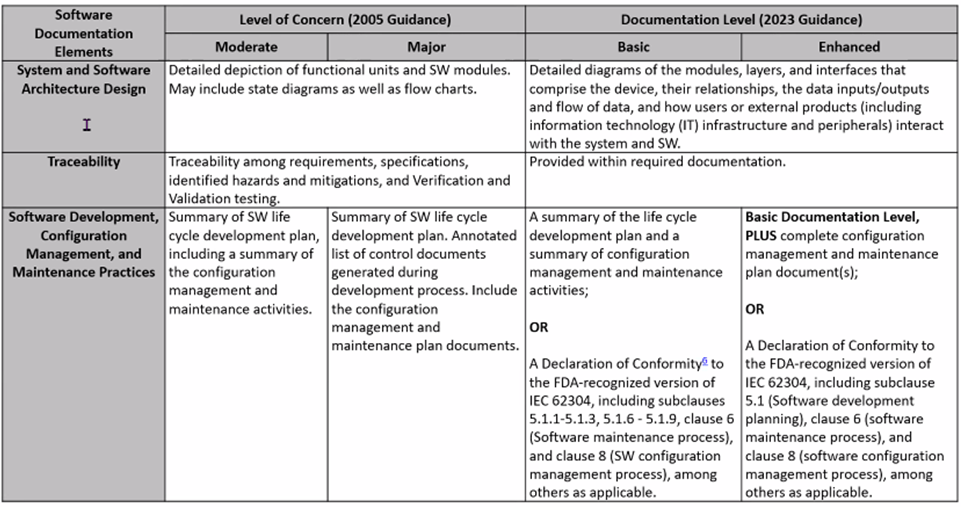
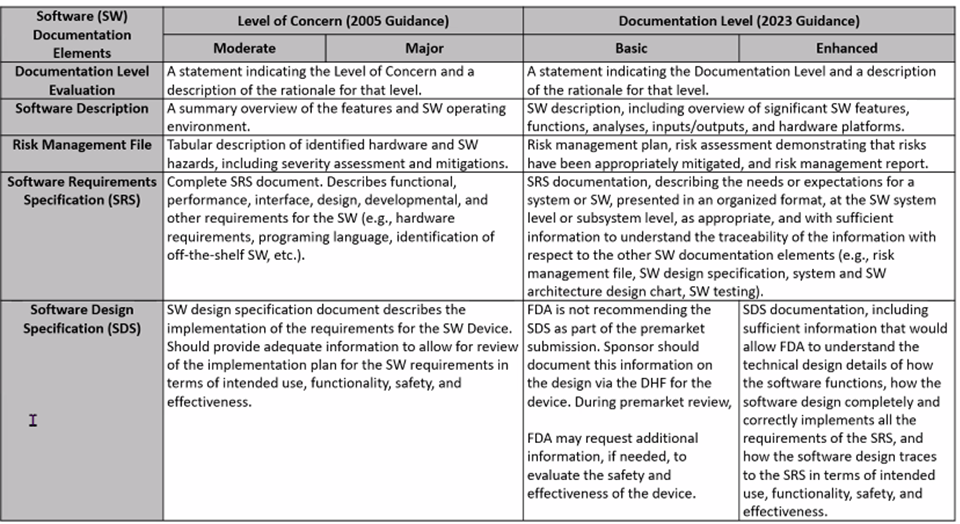
2023 FDA Software Guidance includes a more rigorous look at risk classifications: Risk to the user and patient. For IVDs, software is reviewed as a test system. Tables below, presented by Karen Bijwaard, MS, RAC, MB(ASCP), CQA (CDRH/OPEQ/OHT7/DMGP), show the differences between the 2005 FDA Guidance and the 2023 FDA Guidance language.
New FDA Voluntary Pilot Program for Oncology Drug Products
FDA announced a voluntary pilot program for Industry with the objective of obtaining/providing greater transparency of minimum performance characteristics that certain tests for certain oncology drugs should meet. This pilot program will not alter the standards for the approval of oncologic drug products or for the marketing authorization of the corresponding companion in vitro diagnostics. FDA Guidance Document was published on 20 Jun 2023.
Additional Meeting Takeaways
- FDA is trying to return to “Normal”
- Reauthorization of Medical Device User Fee Amendments (MDUFA)
- Hundreds of COVID tests under EUA – continue to encourage manufacturers to seek traditional market clearance.
- Review of all submission types has resumed.
- “564” still active – no termination yet.
- Center Initiative Highlights:
- CDRH’s Customer Collaboration Portal: dashboard displays real-time submission status; FDA has received over 21,000 submissions, over 80% of submission come through portal, over 9,000 users.
- eStar: As of October 1, 2023, all 510(k) submissions, unless exempted, must be submitted electronically using eSTAR
- Predetermined Change Control Plans: working on change control protocols – AST is an area where the Agency cleared many protocols.
- Breakthrough Devices Program: >169 designated IVD devices; 18 IVD Devices authorized to market, 6 PMAs approved, 4 510(k)s cleared, 8 De Novos granted.
Contact us today to discuss how any of these issues impact your business – and see how we can help you bring your IVD product successfully through the changing regulatory landscape.
Key Takeaways for IVD manufacturers
Authored By: Karin Hughes, SVP Global Regulatory and Quality
While the European Union (EU), United Kingdom (UK) and Switzerland once presented a largely harmonized and favorable first market for launching diagnostic products, the current era, post-Brexit, post-Swixit and a year post the implementation date of the EU In Vitro Diagnostics Regulation (IVDR) presents in vitro diagnostic (IVD) manufacturers with enormous challenges. Extensive and more stringent conformity assessment requirements have emerged, most notably through the application of the IVDR (Regulation (EU) 2017/746) and, in some regimes (i.e., the UK), new Medical Device Regulations are not yet published.
While the primary aim of the IVDR – which became effective on May 26, 2022– and the future UK Medical Device Regulations is to ensure better protection of public health and patient safety, the resulting costs, and complexities of introducing new products to these markets, as well as maintaining IVD legacy products on market, have increased dramatically.
The June 2023 MedTech Summit in Brussels, Belgium, offered a number of insightful updates on the evolving European and UK regulatory landscapes. Participants included several Notified Bodies (TÜV SÜD, TÜV Rheinland, BSI and DEKRA), and UK representatives from the British In Vitro Diagnostic Association (BVDA) and the Association of British HealthTech Industries (ABHI). Participants also included national competent authorities (NCAs) from Germany (Paul-Ehrlich-Institut), Finland (Finnish Medicines Agency – Fimea), and Ireland (National Standards Authority of Ireland), as well as those of us responsible for the implementation of these requirements.
Here, we report some of the most salient insights for IVD manufacturers, including:
● The Ebb and Flow of Notified Body Capacity
● Updates on Companion Diagnostics
● European Database on Medical Devices (EUDAMED) Update
● The Changing Landscape for Distance Sales
● COVID-19 (SARS CoV and SARS-CoV-2) Classification
● Clinical Performance Data Requirements
The Ebb and Flow of Notified Body Capacity
More than one year after the implementation of the IVDR — replacing the In Vitro Diagnostic Medical Devices Directive 98/79/EC (IVDD) and related legislation of individual EU nations — several issues and challenges have emerged. Yet, despite the shortcomings, positive news reported at the MedTech Summit is that more IVD manufacturers are successfully navigating the process.
One of the larger challenges facing the system has been the lack of sufficient Notified Body (NB) capacity. Under the old directive, the number of IVD devices that required an NB conformity assessment was approximately 20 percent. Now, under the IVDR, that number has grown to roughly 80 to 90 percent.
Notified Bodies have been navigating their own processes under the IVDR to (1) become designated to perform conformity assessments, and (2) to expand the scope of their Product Families, Procedures and Articles/Annexes for which they have demonstrated competence. Additionally, a large number of IVD manufacturers have required extensions of IVDD certificates prior to the 2022 date of application. The combination of these three factors has consumed NB capacity over the past year, and, as recently as six months ago, several NBs were unable to accept new applications.
On the upside, those NBs represented at the MedTech Summit reported that their capacity has greatly improved, and the number of certificates that were issued under the IVDR tripled in the second half of 2022. All summit-participating NBs are currently accepting new applications. As well, two companion diagnostics (CDx) have been issued certificates — one by TÜV SÜD and another by BSI. What’s more, at least six European Medicines Agency (EMA) consultations have been completed, with more in the pipeline.
Notified Bodies are urging manufacturers to continue moving forward with their applications and assessments. With the implementation of the IVDR transitional provisions for IVDs (those previously certified for the European market in compliance with the IVDD), representatives from various NBs noted that they have begun to see application withdrawals and a decline in industry submissions for conformity assessments. As a result, NBs are concerned that as industry delays conformity assessment submissions, a new capacity challenge may result. As transitional provisions bring Class D submissions online (due by May 26, 2025), there is a risk the timing may coincide with a new push by IVD manufacturers to attempt to get their IVDs reviewed under the IVDR.
The timetable for successfully receiving certification does not favor delaying submission for conformity assessments. Prior to review, it may take several months to complete the request-for-quote process, and have an NB subsequently assign appropriate subject matter resources to begin the technical documentation review. Participating NBs noted that, on average, conformity assessments are still taking one year to complete, with an observed range of nine to 24 months. As well, on the back end, there can be as much as another three to six months after a device has been recommended for certification to actually receive the certificate. For those who may have had experience with CE-marked List II A or self-test IVDs under the IVDD, these IVDR review timelines still exceed those six-month reviews common under the IVDD. Dedicated review – NB service wherein IVD manufacturers pay an extra fee (per conformity assessment review) for a focused, dedicated review – may provide shorter timelines, but can be costly. Proper device classification and NBOG code assignment and high-quality submissions, which meet all applicable Technical Documentation requirements and include justifications for those not applicable, remain the best timeline risk mitigations..
Updates on Companion Diagnostics
For companion diagnostics (CDx), two factors — (1) the delay in the availability of the coordinated assessment procedures for the review and approval of CDx performance study applications, and (2) the current lack of harmonization in national legislation requirements for NCA and ethic committee application documentation and reviews — are continuing to negatively impact the ability to initiate clinical trials of investigational medicinal products (CTIMPs) that rely on a CDx for medical management decisions. While the European Medicines Agency (EMA) offers scientific and protocol assistance to developers of medicinal products through multiple pathways — including the Simultaneous National Scientific Advice (SNSA) pilot, which has been successfully used by CDx developers in conjunction with their pharma partners — the MedTech Summit CDx panel noted there is no process for structured dialog among all stakeholders (e.g., medicinal product developer, diagnostics manufacturer, NB and EMA) prior to, or during, the conformity assessment of the CDx and the medicinal product authorization. This lack of guidance puts at risk the simultaneous approval of the medicinal product, alongside certification of the CDx, potentially delaying timely access for patients to both
There was welcome news that the EMA has established a “focus group on provision of scientific advice for medicinal product developments comprising drug-device combinations and drug-CDx combinations.” This is meant to be a broader exchange platform for EMA, Scientific Advice Working Party (SAWP) members, NCA experts, NBs, and industry. The initial goal is to understand the perspectives of the stakeholders through case studies to determine when, where and from whom advice is needed. This group is also exploring the possibility of structured exchanges between stakeholders.
The kickoff meeting occurred two months before the MedTech Summit, and there have been four meetings to date, with the results of these meetings expected to be published by the EMA. It was also noted that there is on-going activity by the EMA’s Methodology Working Party aimed at providing guidance for simultaneous medicines authorization and CDx certification based on the EMA/Committee for Medicinal Products for Human Use 2016 Concept paper on predictive biomarker-based assay development in the context of drug development and lifecycle. The working party is moving to finalize the guideline as soon as possible.
European Database on Medical Devices Update
One year after IVDR implementation, the regulatory infrastructure remains incomplete and continues to pose a challenge. The European Database on Medical Devices (EUDAMED) had been scheduled to go live in May 2020, but, as yet, has achieved only half of its implementation goals. Composed of six modules — actor registration; unique device identification (UDI) and device registration; NBs and certificates; clinical investigations and performance studies; vigilance; and market surveillance — EUDAMED is intended to provide a “living picture” of the lifecycle of medical devices that are made available in the EU.
The EUDAMED production environment currently contains three modules — actor registration, UDI and device registration, and NBs and certificates — containing valid data for devices placed on the EU market. Significant progress continues to be made towards full implementation in Q4 2024, and the European Commission (EC) continues to target Q2 2024 for the remaining modules to be available.
Once EUDAMED has achieved full functionality, and there is publication of an EC notice in the Official Journal of the European Union (OJEU), industry will have six months before use of EUDAMED becomes mandatory with respect to the obligations related to actors, vigilance, clinical investigations and performance studies, and market surveillance modules. Twenty-four months after publication of the notice in OJEU (Q2 2026), the use of EUDAMED becomes mandatory with respect to the obligations related to UDI and device registration, NBs, and certificates.
The Changing Landscape for Distance Sales
Distance sales — non-EU-based clinical laboratories providing services to EU patients — lack guidance under the new IVDR, and many U.S. laboratory-developed test (LDT) providers are unaware of the new requirements. Or, if aware, they may incorrectly believe their testing is exempt under the “in-house” exemption provisions described in Article 5 of the IVDR, which allow healthcare institutions to manufacture, modify, and use in-house tests on a non-industrial scale to meet the specific needs of target patient groups, if an equivalent device available on the market cannot already meet these needs at the appropriate level of performance.
However, this exemption applies only to labs that are part of healthcare institutions established in the EU. All non-EU and most EU-based commercial laboratories will, therefore, be required to CE mark their LDTs. For the subset of labs that meet the in-house exemption, the IVDR will still require them to meet several new standards, including compliance with the IVDR’s Annex I – General Safety and Performance Requirements and quality management system framework.
While the requirements for distance sales are found in Article 6 of the IVDR, they are brief and not straightforward. NBs at the MedTech Summit noted that it has been a challenge for them to interpret those requirements. One NB noted that manufacturers often do not realize they are performing distance sales, and the NB only uncovers this during technical documentation review. Also, from an NCA point of view, Article 6 presents uncertainty. For example, if a U.S. company offers laboratory services via the internet, accessible by anyone in the EU, which country/NCA has responsibility for review?
On a positive note, a distance sales task force has been initiated. However, the Medical Device Coordination Group (MDCG) guidance and/or a Q&A paper is not imminent; any results from the task force will be eagerly awaited by manufacturers, with hope for a clear implementation pathway for distance sales requirements.
COVID-19 (SARS CoV and SARS-CoV-2) Classification
With the World Health Organization downgrading the COVID-19 pandemic, and stating it is no longer qualified as a global emergency in May of this year, IVD manufacturers of SARS-CoV-2 diagnostics are looking for a decision as to whether these products will be down-classified under the IVDR.
These discussions have reached the EC, who is consulting NCAs. Currently, in MDCG 2020-16 rev.2, SARS-CoV and SARS-CoV-2 are listed as examples of products classified as Class D under Rule 1 as a transmissible agent. The MDCG 2020-16 has already undergone revision, and down-classification would minimally require additional changes to guidance. However, some manufacturers are choosing not to wait, and are undertaking a classification dispute with their NB. In accordance with IVDR Article 47, such classification disputes are referred for a decision to the particular NCA. The NCA then notifies the MDCG and the EC of its decision. SARS-CoV-2 tests are currently trending at 42 percent of Class D by application.
Clinical Performance Requirements
Clinical performance requirements for IVD certification remain an issue, particularly for legacy devices. Demonstration of clinical performance for legacy devices is often based on studies conducted under the IVDD, and IVD manufacturers may have difficulty justifying suitability of their products’ performance with that of the generally acknowledged state of the art in medicine. IVD manufacturers may not have the institutional or financial support to conduct new performance studies to fulfill gaps to meet the more burdensome clinical performance requirements.
While the NBs are aware of the challenges of legacy devices, manufacturers must justify whether using previous data, without having to produce any new data, is sufficient to support their intended purpose. It may be possible to augment previously conducted performance evaluation data with literature and/or data from published experience gained by routine diagnostic testing. Otherwise, a change to the intended purpose, resulting in limited and less desirable claims, or market removal may be necessary. Deficiencies in performance evaluation continue to be the number one gap in Technical Documentation cited by the NBs for legacy devices.
Navigating the New IVDR With Beaufort
The transition from the IVDD to the IVDR continues to be challenging. Lack of the expected infrastructure (e.g., EUDAMED, EU Reference Labs, etc.) coupled with the slow pace of available guidance still requires evolutionary steps before solidifying into a cohesive and comprehensive regulatory regime. While not unexpected, the impact to stakeholders remains high, and continues to add risk to commercialization efforts.
Beaufort’s expertise can help you effectively address your IVDR challenges from Covid to Companion Diagnostics. Our team is assisting clients from implementation of quality system requirements and establishment of clinical evidence to technical writing of reports and final Technical Documentation. We are also constantly monitoring the continuously changing regulatory landscape so we can effectively consider near-term and evolving cross-regulatory-regime requirements when developing regulatory strategies to reduce the overall pre-market burden across the US, EU, UK, and ROW markets.
We bring all the pieces together to create a clear and actionable roadmap for legacy and new products to meet the IVDR requirements and adjust that roadmap to meet emerging changes in the IVDR infrastructure and newly published Guidance.
Contact us today to see how we can help you bring your IVD product successfully through the changing regulatory landscape.
Why IVD Specialization is a Game Changer for Sponsors
There are many factors a sponsor must consider when selecting the right contract research organization (CRO) for their next project. For instance, what range of CRO services do they provide, and do they have relevant experience that matches your project scope and needs? These two questions alone can highlight a CRO’s core strengths – as well as expose potential gaps. For diagnostic manufacturers, the answers are especially important as in vitro diagnostic (IVD) development demands an elevated level of specialization that many CROs are unable to offer.
As you consider your next partner, here are several ways a CRO specializing in IVDs can provide sponsors with a significant advantage in the successful development, validation, and regulatory approval of their diagnostic products:
- Organization-Wide Expertise: A company with diagnostics-focused CRO services will provide sponsors with relevant expertise across all functional levels of the organization. The immediate benefit for the sponsor is partnering with an integrated team that fully understands the complexities and intricacies of IVD development – and collectively brings knowledge and experience in managing and executing IVD-specific programs. They will know what detailed questions to ask and can provide pertinent insights and solutions right from the start. It is this deep familiarity that can set the foundation for a valued partnership and help sponsors realize the most effective and efficient path to market.
- Efficient Clinical Trial Management: In vitro diagnostic clinical studies are inherently unique when compared to other trials, such as the Research and Development inputs and coordination, and the analytical study requirements. These distinctions, and the implications of different IVD technologies, impact all aspects of clinical trial services including strategy, planning, budgeting, management, and execution. An experienced diagnostic CRO will have the processes, systems, and controls in place for these nuances to be properly addressed at every stage — this is what purpose-built IVD clinical trial services look like in practice, from study design and protocol development through site monitoring, data collection, and close-out.
- Targeted Regulatory Guidance: Global regulatory requirements for IVDs are continuously evolving and often diverging. CRO companies with extensive IVD experience are fluent in the complex regulatory requirements governing IVDs and are well-positioned to anticipate, identify, and respond to emerging challenges, smoothing the pathway to regulatory clearance or approval. A CRO providing end-to-end regulatory consulting and support can effectively facilitate and direct all phases of the process from initial regulatory strategy to post-market compliance activities.
- Robust Quality Assurance: Quality is essential to the success of any project. The right CRO partner will have tested and proven quality management systems in place to ensure the reliability, traceability, and accuracy of data generated from IVD assays. They can help evaluate, refine, and implement optimal quality management procedures as well as provide IVD-oriented gap assessments and remediation plans.
- Improved Patient Enrollment: CRO’s that can appropriately identify and access the right patient populations for an IVD clinical study are crucial for a successful outcome. The subject populations in IVD studies can vary greatly depending on the specific objectives of the study, intended use settings, the disease or condition being targeted and the impacts of the disease prevalence. A knowledgeable CRO can effectively support recruitment of eligible participants within the desired demographics, ensuring sufficient sample sizes and enrollment of required cohorts. Additionally, their expertise in study design optimization, study validity, regulatory compliance, and timely completion of the study contribute to overall efficiency in the research process.
- Analytical Study Insights: Sponsors will also benefit from a contract research organization with the knowledge and expertise in how to design and analyze analytical studies based on the Clinical and Laboratory Standards Institute (CLSI) guidelines (e.g., Reproducibility, Limit of Detection, Linearity, Reference Range, and Stability) required for a successful regulatory IVD submission. The CRO can leverage a deep understanding of regulatory agency requirements for IVD analytical studies and apply sound data collection and statistical principles to provide timely, accurate, and actionable analyses and reporting.
- Specialized Data Management: Clean, consistent, and validated data is central to every successful IVD regulatory submission. Advanced data management systems are often required to capture and handle the large volume of data generated including the handling of instrument data and the collection of multiple specimens from a subject. A CRO with clinical data management expertise specific to IVDs can maximize data quality and transparency, maintain data integrity and security, and quickly identify and correct issues. IVD-focused CROs are also well-versed in data privacy and security requirements and implement stringent measures to protect patient privacy and ensure data security during the study.
- Advanced Data Analysis: Sponsors will benefit from a CRO with the knowledge and expertise in bridging large-volume data collection and advanced biostatistical analysis to generate the meaningful insights and conclusions necessary for a successful regulatory IVD submission. This includes deep knowledge and understanding of the IVD clinical trial objectives/endpoints, study design, and expected analyses. The CRO can leverage a deep understanding of regulatory agency requirements for IVDs, and apply sound statistical principles to provide timely, accurate, and actionable analyses and reporting.
- Fast & Efficient Time to Market: By leveraging their specialized expertise, existing infrastructure, streamlined processes, and established relationships, CROs that are diagnostics centered can navigate the intricacies of IVD development and regulatory processes more effectively and efficiently. Their fluency with IVD-specific challenges allows for proactive identification and mitigation of potential issues, resulting in less errors and deviations, faster regulatory approvals, reduced time to market, and a competitive advantage for the IVD sponsor.
We recognize that selecting a contract research organization is not an easy process. Each CRO company will have its own guidelines for evaluation criteria for selecting a partner. In our experience, diagnostic sponsors quickly recognize the value of a CRO who fully understands the IVD landscape and has an established history of success in managing diagnostic clinical trials.
If you are looking for a CRO services partner that can best meet your needs, please contact us to learn about our full range of clinical, regulatory, and quality solutions and how you can benefit from the experience Beaufort provides our diagnostic clients.