


Key Changes and Implications for Interventional Clinical Trials

On January 6, 2025, the International Council for Harmonisation (ICH) officially released (adopted) the final version of its Good Clinical Practice (GCP) Guideline E6(R3) (available here: ICH E6(R3) Final Guideline). This updated version reflects the latest standards for the ethical, scientific, and quality conduct of clinical trials involving human participants.
The primary goal of E6(R3) is to protect the rights, safety, and well-being of trial participants, ensuring that clinical trials are conducted ethically and scientifically. The Guideline emphasizes the importance of adhering to principles rooted in the Declaration of Helsinki, while ensuring that clinical trial results are reliable and trustworthy. It applies specifically to interventional clinical trials involving drugs, medicines, medical products, vaccines, and biological products intended for submission to regulatory authorities.
Key Changes in ICH E6(R3)
E6(R3) introduces a significant restructuring compared to previous versions. The main body of the guideline now focuses on general principles, while Annex I outlines the interpretation and implementation of these principles. The revision also retains sections (now in the form of appendices) that provide recommendations for key documents such as the investigator brochure, clinical trial protocol, and protocol amendments. Additionally, a revised glossary is included. A second annex (Annex 2) is under public consultation from November 2024 to March 2025.
Substantial Revisions and New Principles
Among the most notable substantial changes in E6(R3) content are the introduction of two new principles:
- Risk Proportionality: This principle emphasizes that risk management strategies should be tailored to the level of risk posed by the trial, ensuring appropriate oversight and control.
- Roles and Responsibilities: This principle clarifies and expands on the expectations for the various roles in a clinical trial, ensuring accountability and clarity in the responsibilities of all parties involved.
In addition to these new principles, several existing principles have been revised, including those on Ethics, Informed Consent, IRB/IEC Review, Science, and Qualified Individuals. These updates reflect the evolving landscape of clinical trial conduct and regulatory requirements, ensuring that GCP standards remain relevant and effective.
Resources and Training
To help stakeholders understand the new E6(R3) guidelines, the ICH E6(R3) Expert Working Group (EWG) has developed a “Step 4 Introductory Training Presentation,” which provides a high-level overview of the guideline, its development process, and a summary of the key changes. This presentation is available here: E6(R3) Step 4 Presentation.
Additionally, the U.S. Food and Drug Administration (FDA), a founding regulatory member of ICH, plays a crucial role in the development of ICH guidelines, which FDA then adopts and issues as guidance to industry. Following the release of the E6(R3) draft in May 2023 (which we wrote about here), the FDA published a draft guidance titled “E6(R3) Guideline for Good Clinical Practice,” available here: FDA Draft Guidance. While the draft follows the ICH format, the FDA has indicated that the final version will be reformatted to align with its good guidance practices regulations (21 CFR 10.115) before being published.
Conclusion
The adoption of ICH E6(R3) marks a significant step forward in the evolution of clinical trial standards. By incorporating new principles, revising existing ones, and aligning practices with modern trial challenges, this updated guideline promises to improve the quality, safety, and reliability of clinical trials worldwide. As clinical trial professionals, it’s essential to understand changes and integrate them into our daily practices to ensure compliance and uphold the highest ethical standards in trial conduct.
At Beaufort, we share the same vision set forth by the ICH E6(R3) EWG. Their intent to facilitate innovations in clinical trial design and conduct while ensuring participant safety and reliable results is at the heart of what we do.
If you’re looking for a partner that aligns with these principles, come work with us. We are committed to advancing clinical trials with integrity, quality, and an unwavering focus on participant well-being.
The European Union’s regulatory framework for healthcare innovation is among the most advanced globally, yet its complexity often presents significant challenges. This is especially true for “combined studies” involving medicinal products, medical devices, and in vitro diagnostics (IVDs).
Recognizing these challenges, the EU launched the COMBINE project in June 2023 to streamline the regulatory landscape for such studies to ensure that innovative treatments reach EU patients while maintaining compliance with high standards.
Understanding Combined Studies and Regulatory Complexity
Combined studies, which involve the simultaneous investigation of one or more medicinal products, IVDs, and/or medical devices must comply with multiple regulatory frameworks:
- Regulation (EU) 536/2014 on clinical trials of medicinal products (CTR)
- Regulation (EU) 2017/745 on medical devices (MDR)
- Regulation (EU) 2017/746 on in vitro diagnostic medical devices (IVDR)
Each framework governs distinct yet interrelated aspects of healthcare product development. Divergent requirements, documentation, timelines, and processes across these frameworks pose significant barriers, delaying trial initiation and limiting patient access to innovative therapies.
The Impact of IVDR on Using Companion Diagnostics in Clinical Trials
Companion diagnostics (CDx) are often co-developed together with their medicinal product and are evaluated in combined studies. Previously, under Directive 98/79/EC (IVDD), CDx were not defined and such “biomarker assays” were classified as “IVD other” (not Annex II; low risk). Regulatory oversite for use of biomarker assays in clinical trials occurred at the Member State level and requirements were not harmonized.
With the entry into force of the Regulation (EU) 2917/746, a new risk-based classification system (classes A to D) was introduced and a legal definition for CDx established. Companion diagnostics are Class C devices and when used in clinical trials, are now required to be CE-marked for their intended use in the trial, authorized for in-house use, or developed for clinical performance evaluation.
Clinical performance studies (PS) involving CDx must adhere not only to the general requirements for all PS set out in IVDR Article 57 and Annex XIII, but must also be designed, authorised, conducted, recorded and reported in accordance with Articles 58 to 77 and Annex XIV as for “interventional clinical performance studies” as CDx represent a significant level of inherent risk.
These changes have contributed to significant delays in clinical trial initiation.
A 2023 report by the European Federation of Pharmaceutical Industries and Associations (EFPIA) highlighted that 43% of companies expected delays of 6 to 12 months in starting their trials, with 228 to 410 trials enrolling fewer EU patients. In the context of oncology alone, this could mean delayed access to life-saving treatments for as many as 42,200 patients over the next three years[1].
The COMBINE Project: Finding Solutions to Regulatory Barriers
In response to these growing issues, the COMBINE project established a two-phased approach with the goal of first understanding the encountered challenges and then implementing solutions. This involves cross-functional collaboration at the EU level, including experts from the different EU governance structures. Additionally, an external stakeholder group, representing industry, patients, academic research groups, health care professionals, clinicians and notified bodies contributes to the effort.
Phase 1: Analysis – Mapping the Challenges and Early Insights
The first phase of COMBINE, conducted between September 2023 and May 2024[2], was dedicated to understanding the challenges sponsors face when conducting combined studies. The analysis phase had four key objectives:
- Identifying Issues: Stakeholder workshops revealed 78 unique issues, ranging from misaligned regulatory timelines to unclear definitions and procedural inconsistencies.
- Mapping National Processes: A survey across 24 EU Member States uncovered significant inconsistencies in how national competent authorities (NCAs) and ethics committees (ECs) handle combined studies.
- Reviewing Ongoing Work: Existing EU-level guidance and activities were assessed for areas of alignment and gaps.
- Proposing Solutions: The issues were analyzed, and potential solutions were grouped into thematic areas such as coordinated assessments, alignment, and improved communication.
The analysis phase also identified more than 50 proposed actions to address these issues and concluded with a roadmap that emphasized:
- Establishing coordinated assessments for combined studies to reduce duplication and harmonize processes.
- Aligning Member State interpretations and procedures to minimize variability.
- Enhancing communication between stakeholders through training, dialogue forums, and better IT integration.
Phase 2: COMBINE Programme Vision and Strategic Implementation Plan
In December 2024, the EU Member States endorsed the strategy for the second phase: the “COMBINE programme”.
Building on insights gained from its analysis, the COMBINE Programme implementation phase is designed to deliver solutions for challenges facing combined studies in the EU.
The recently published ‘COMBINE’ programme strategy’ document[3], clarifies the vision, its structure and governance, and provides an overall plan of activities.
The COMBINE programme seeks to make the European Union an attractive region to conduct combined studies, envisioning a clear and smoothly functioning regulatory environment for combined studies through broad involvement of regulators, ethics committees and all impacted stakeholders, with the ultimate goal to support availability of innovative treatments for patients.
Structure and Governance
In the EU, there is no single regulatory authority. Medical devices are governed at a European level by the EU Commission expert groups, organized under the Medical Device Coordination Group (MDCG) while medicines are governed by the Heads of Medicines Agency (HMA), the EU Commission and the European Medicines Agency (EMA).
Further, National Comptent Authority (NCA) clinical trial authorization is governed by the Clinical Trials Coordination Group (CTCG) at the HMA and the Clinical Trials Coordination and Advisory Group (CTAG) at the EU Commission. And the Ethics Committees system is made up of national Research Ethics Committees (RECs) for both medicines and devices, sometimes the same Committees cover both aspects and sometimes the Committees are separate.
This affords unique challenges in solving issues with cross-sectorial relevance. As such, the COMBINE programme aims to provide a framework for cross-sectorial work in relation to combined studies that cannot be solved by a single sector and is not intended to replace or significantly change already existing structures.
Programme Action Plan Highlights
The programme’s activities are organized into three thematic areas:
1. Coordinated Assessments
This pillar focuses on harmonizing the evaluation of combined study applications by competent authorities, as well as by ethics committees by:
- Exploring coordinating assessments of applications for combined studies among Member States (including competent authorities and ethics committees) and across the CTR and IVDR or MDR.
- Piloting a coordinated assessment procedure for clinical trials involving IVDs as companion diagnostics.
- Integrating learnings into ongoing work on integration between the CTR Clinical Trials Information System (CTIS) and the MDR/IVDR European database on medical devices (Eudamed).
2. Alignment
Efforts under this area aim to align interpretations and procedures across the EU Member States by:
- Providing an aligned approach on the processes for combined studies (e.g., same IVD used in multiple IMPs, procedures for substantial modifications).
- Optimizing serious adverse event reporting in combined studies.
3. Communication and Dialogue
This thematic area emphasizes improving stakeholder exchange of information, advice and training, including:
- Enhancing training for sponsors and assessors.
- Fostering member state collaboration through forums and best practice exchanges.
A Phased Implementation Approach (2024-2027)
To ensure feasibility and effective resource allocation, the action plan is divided into three stages:
- Stage 1 (2024 – Q1 2025): Focus on coordinated assessments and initial alignment activities.
- Stage 2 (Q2 2025 – Q1 2026): Expand alignment efforts and initiate communication and dialogue-focused projects.
- Stage 3 (Q2 2026 – Q1 2027): Sustain communication and dialogue initiatives.
The Road Ahead
The COMBINE project provides a roadmap to address regulatory inefficiencies, ensuring combined studies can progress without unnecessary delays. Its success depends on sustained collaboration and commitment across the EU regulatory ecosystem. As the EU continues to refine its approach to combined studies, the lessons learned, and solutions implemented through COMBINE will serve as a blueprint for future regulatory innovations.
These solutions are essential to reducing the regulatory burden on sponsors, speeding up trial initiation, and ensuring that European patients have access to cutting-edge therapies.

Beaufort’s Commitment to Innovation and Patient Access
As regulatory frameworks evolve, Beaufort’s expertise positions us as a trusted partner for sponsors navigating the complexities of combined studies. By staying abreast of regulatory changes and advocating for streamlined processes, we help our clients succeed and ensure that patients benefit from timely access to innovative treatments. Beaufort remains committed to driving excellence in regulatory strategy, fostering a future where innovation and compliance go hand in hand.
Contact us to learn more about how Beaufort can successfully support your current or future clinical trial.
[1] https://health.ec.europa.eu/document/download/77e1409a-f4c0-45db-bff1-4873c7a0e7ae_en?filename=md_combined-analysis-phase-report_0.pdf
[2] European Federation of Pharmaceutical Industries and Associations. (2023). Critical Impacts of IVDR Implementation on Patient Access to Clinical Trials. https://efpia.eu/media/677143/efpia_ivdr-survey-slides.pdf
[3] https://health.ec.europa.eu/document/download/c10c325f-ae88-4956-a7eb-f45acc0a9811_en?filename=md_combine_strategy_en.pdf
Pioneering Early Cancer Detection to Further Enhance Diagnosis, Personalized Screening and Treatment.
Early cancer detection has become a critical focus in the field of oncology, as it significantly enhances treatment outcomes and increases survival rates for patients. Studies have shown that detecting cancer in its nascent stages allows for interventions that are more effective and less invasive, drastically improving the quality of life for patients. With the rise of personalized medicine and advancements in diagnostic technologies, oncology clinical trials are evolving rapidly to focus on early-stage detection, using biomarkers to identify at-risk populations and match them with the most appropriate therapeutic treatments.
Beaufort’s oncology CRO services have positioned the company at the forefront of these technological advancements, combining regulatory strategy with clinical trial design and management for diagnostic sponsors. Specializing in early cancer detection, Beaufort has developed cutting-edge system capabilities that support the design, execution, and management of clinical trials aimed at identifying biomarkers that indicate early-stage cancers. This article explores some of the latest trends in oncology clinical trials, highlighting early detection and Beaufort’s expertise in supporting diagnostic sponsors in this evolving landscape.
Key Trends in Early Cancer Detection Trials
Biomarker-Driven Trials
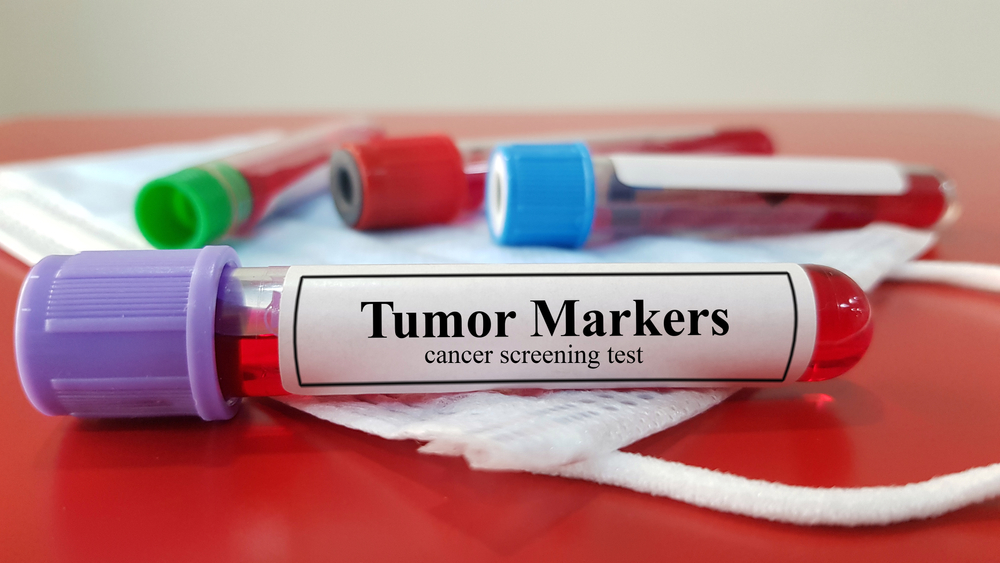
The identification and use of biomarkers to detect cancer early has become a cornerstone of oncology clinical trials. Biomarkers—molecular, genetic, or biochemical indicators of cancer—can provide early warnings of the presence, or the potential presence, of the disease in patients before clinical symptoms arise and before traditional diagnostics would detect it. The ability of oncology trials to conduct highly sensitive and specific screening through the identification of biomarkers has revolutionized the way early detection trials are conducted by allowing for more targeted, efficient, and precise methodologies.
Beaufort assists diagnostic sponsors by providing comprehensive clinical trial management services for clinical trials performed with the goal of validating biomarker assays. One recent example involved a multi-center prospective trial for an early lung cancer detection assay. Beaufort’s expertise in clinical trial design, clinical trial management, and the collection, processing, and shipping logistics of clinical samples played a pivotal role in ensuring trial efficiency. This facilitated timely and accurate data collection across dozens of sites in North America.
Liquid Biopsy and Non-Invasive Diagnostics
Liquid biopsy technologies are able to be used as a medical test that analyzes a sample of blood or other bodily fluids to detect cancer-related genetic mutations, biomarkers, or other molecular alterations. The utilization of liquid biopsies for this application offers a non-invasive way to identify circulating tumor cells (CTCs) and circulating tumor DNA (ctDNA). As this method allows for the detection of cancerous cells without the need for tissue biopsies, it is particularly useful for ongoing monitoring and early detection in at-risk populations.
Beaufort has been instrumental in supporting clinical trials to validate assay platforms utilizing liquid biopsy samples, helping sponsors navigate regulatory complexities while ensuring data integrity and trial efficiencies.
By facilitating trial designs that incorporate these non-invasive diagnostic tools, Beaufort has assumed a pivotal role in introducing these tools to clinical sites. Beaufort provides site training and clinical trial management for these new technologies aiding in an earlier detection of cancers and their support leads to smoother clearance and approval, particularly for hard-to-detect tumors like lung and pancreatic cancers.
Artificial Intelligence and Machine Learning Integration
Artificial Intelligence (AI) and Machine Learning (ML) are revolutionizing oncology clinical trials by enabling rapid data analysis, predictive modeling, and improved patient selection, particularly in early cancer detection. These technologies allow researchers to analyze vast amounts of data, such as biomarkers and imaging results, to identify cancer earlier and more accurately.
While AI/ML offers significant advantages, there are critical considerations in its implementation. Ensuring the privacy and security of patient data, especially when integrating real-world data from multiple sources like electronic health records, is essential. Transparency and algorithmic bias are other key concerns, as many AI models operate as “black boxes,” meaning their decision-making processes are not easily interpretable. This could lead to unintended biases if the data used to train these models is not representative of diverse populations.
To address these challenges, regulatory bodies such as the FDA are developing frameworks to ensure AI/ML truly benefits the public in clinical settings, requiring external validation and transparency in algorithms. By adhering to these guidelines, AI/ML can streamline clinical trials and augment operational efficiency, ultimately improving patient outcomes.
Beaufort’s expertise in integrating AI/ML technologies into oncology trials helps diagnostic sponsors navigate these complexities, ensuring that trials are compliant with developing regulatory standards.
Incorporation of Real-World Data
The use of real-world data (RWD) in oncology trials has gained traction as a way to complement clinical trial data and provide a more comprehensive view of patient outcomes. RWD can be collected from electronic health records (EHRs), patient registries, and mobile health devices, offering insights into how early detection tools perform in real-world settings.
Beaufort has embraced RWD in its trial designs, enabling sponsors to integrate data from multiple sources for a holistic view of patient outcomes. Through its platform-agnostic reporting infrastructure, Beaufort allows real-time data feeds from EHRs, insurance claims and billing data, social media, and other sources, regardless of vendor. This infrastructure has been crucial in providing comprehensive operational reporting and enhancing trial oversight across numerous early cancer detection trials.
Ethical and Regulatory Challenges in Early Detection Trials
Early cancer detection trials face unique ethical and regulatory challenges, particularly in balancing patient risk with the potential for early intervention. Patients enrolled in early detection trials may not yet exhibit clinical symptoms, raising concerns about the psychological impact of false positives or the potential diagnosis of benign conditions.
Regulatory bodies, such as the FDA, require comprehensive validation of biomarkers and diagnostic tools to ensure they meet stringent standards. The validation process typically involves rigorous clinical testing and data analysis to confirm that the biomarkers or diagnostic tools are both accurate and reliable for their intended use. Only after satisfying these regulatory requirements can these tools be approved for use in clinical practice, ensuring they provide meaningful benefits without posing undue risks to patients.
As early detection trials often use biomarkers and genetic data, maintaining participant privacy is a key concern of IRBs. Beaufort ensures that trials meet ethical guidelines while maintaining the highest standards of patient care by ensuring IRBs are regularly informed and IRB oversight is maintained. Beaufort is positioned as a trusted partner for diagnostic sponsors navigating the challenges of regulatory and ethical standards. The team has extensive experience preparing regulatory submissions and liaising with regulatory agency representatives as well as ensuring compliance with Federal Regulations, FDA Guidance and ethical standards.
Case Study: AI and Machine Learning-Driven Data Management in Early Lung Cancer Detection Trials
Beaufort has distinguished itself as a leader in data management within the clinical research industry through the innovative use of AI/ML technologies and advanced data pipelines. One of its key developments is a proof-of-concept solution that leverages large language models to extract unstructured clinical imaging report data into structured formats, augmenting data management review by providing another method to compare source and EDC data. This technology has the potential to significantly improve the efficiency and accuracy of data quality checks, supplementing traditional SDV processes and enabling faster decision-making.
In addition to this innovation, Beaufort has developed a platform-agnostic reporting infrastructure that integrates data from different types of sources such as eConsent, various EDC systems, and other platforms, allowing for increased data accessibility and reporting flexibility. This infrastructure provides real-time data feeds, allowing comprehensive operational reporting that enhances trial oversight. Compliance with protocol requirements and Key Performance Indicators, including site enrollment goals, are able to be actively reviewed throughout the trial.
These innovations were successfully deployed in a multi-center prospective trial for an early lung cancer detection assay conducted across dozens of sites in North America. Beaufort’s technical capabilities and operational excellence were key drivers of the trial’s success, setting a benchmark for future early detection trials.
The Future of Early Cancer Detection
The future of early cancer detection is filled with transformative potential, as emerging technologies promise to further enhance early-stage diagnosis and personalized screening and treatment. These innovations are poised to redefine cancer care, improving outcomes for patients and streamlining clinical workflows.
The Impact of Multi-Cancer Early Detection Tests
One of the most innovative advancements on the horizon is the development of Multi-Cancer Early Detection (MCED) tests. By analyzing blood samples for circulating tumor DNA (ctDNA), these tests can identify a wide range of cancers with a single non-invasive procedure. As these tests mature, their ability to detect multiple cancers simultaneously will significantly reduce the need for organ-specific screening methods. MCED tests will play a key role in detecting cancers that currently have limited or no screening options, such as pancreatic, ovarian, and liver cancers.
In the long term, MCED could become a standard tool in preventive healthcare, being integrated into routine health check-ups. The future will likely see MCED tests enabling widespread early detection and contributing to earlier interventions, significantly improving survival rates across multiple cancer types.
Enhanced AI and Data Integration
As AI continues to evolve, its role in cancer detection will expand far beyond current applications. Future AI models and algorithms will integrate diverse data sources—ranging from genomic information to lifestyle factors—to aid in predicting cancer risk more accurately. Predictive models will also facilitate faster detection of at-risk patients, allowing for screening protocols to be tailored, thereby reducing the time and cost of trials. By leveraging machine learning, future systems can detect subtle patterns in vast amounts of medical data, allowing clinicians to identify cancer earlier than ever before.
AI will play a critical role in optimizing trial designs and speeding up the validation process for new diagnostic technologies, enabling sponsors to bring new tests to market more quickly.
Advancements in Liquid Biopsy Technology
Although liquid biopsy technologies are already advancing cancer diagnostics, their future lies in becoming even more sensitive and reliable. As the precision of detecting ctDNA and other biomarkers in the bloodstream improves, liquid biopsies will become a critical component in routine cancer screening.
Liquid biopsies will increasingly integrate with multi-omics approaches, combining genetic, proteomic, and epigenetic data to provide a comprehensive view of a patient’s cancer risk. As the technology advances, it will be possible to detect cancers at even earlier stages, offering a powerful alternative to traditional imaging methods and invasive biopsies.
Conclusion
Early cancer detection is transforming the landscape of oncology clinical trials, offering new hope for patients and driving the development of innovative diagnostic tools. As biomarkers, liquid biopsies, and AI-driven technologies continue to shape the future of early detection, Beaufort CRO stands out as a leader in supporting diagnostic manufacturers through every stage of the clinical trial and regulatory processes. With a proven track record of operational excellence and technical innovation, Beaufort is helping to pave the way for the next generation of early cancer detection assays, continuously working toward improved patient outcomes.
Learn more about how Beaufort can successfully support your oncology innovations in a current or future clinical trial.
Navigating the Complexity of the IVDR
With the enactment of Regulation (EU) 2017/746 (IVDR), the landscape for developing companion diagnostics (CDx) has undergone significant transformation. With Eudamed lacking a functional Clinical Investigations and Performance Studies module, sponsors must consider individual national procedures, submitting applications, modification notifications, and final reports to each Member State where CDx studies are conducted.
This regulatory evolution demands that pharmaceutical and diagnostic partners devise new strategies and refine their processes, particularly when conducting a “combined study” that pairs a clinical trial of a medicinal product with a performance study of an in vitro companion diagnostics.
Karin A. Hughes, Ph.D., Beaufort’s SVP Global Regulatory and Quality addressed these pressing issues at the 16th Next Generation Dx Summit. Her presentation, “Clinical Trials with CDx—Navigating the Complexity of the IVDR” provided insights and effective strategies to help sponsors effectively develop a companion diagnostic in the EU.
Dr. Hughes is an industry leader in global regulatory affairs and Beaufort was proud to sponsor this important event to help support the effective development of companion diagnostic products.
Learn more about our comprehensive Companion Diagnostic and IVDR services and solutions or Contact Us today.
Keys to Avoiding Regulatory Compliance Landmines

Senior Vice President, Chief Technology Officer
As medical devices, including in vitro diagnostics, increasingly incorporate sophisticated software components, understanding and complying with FDA guidance on software documentation is crucial. Recent updates to FDA guidance have intensified the focus on the required elements for pre-market submission relative to software, including Off-The-Shelf (OTS) software, to ensure safety and efficacy.
Overview of FDA Software Documentation Recommendations
The FDA’s multiple guidance on software stress the importance of comprehensive and risk-based documentation for software as or in medical devices (SaMD/SiMD):
- Comprehensive Documentation: All software components must be thoroughly documented, detailing their functionality, integration, and overall impact on device safety. Documentation should include elements such as data flow diagrams and pertinent architectural views that describe not only the software, but the ecosystem in which it operates.
- Risk-Based Documentation Approach: Documentation should be proportional to the software’s potential risks. This risk-based approach focuses on the impact to patient health and safety. A thorough risk assessment will assist in determining between Basic and Enhanced documentation levels:
- Basic Documentation Level: Suitable for lower-risk software where Enhanced Documentation does not apply thus requiring standard documentation details.
- Enhanced Documentation Level: Required for higher-risk software that could present a hazardous situation with a probable risk of death or serious injury, either to a patient, user of the device, or others in the environment of use, necessitating more extensive documentation to cover detailed testing results and risk mitigation strategies.
Integration of Software Documentation within Quality Systems
For many organizations, software documentation requirements are not adequately covered by their quality system and related procedures. Software documentation should seamlessly integrate into an organization’s quality management system, enhancing overall device quality and compliance:
- Quality System Compliance: Software documentation practices must align with the quality system regulations (QSR), ensuring traceability, control, and verification of all software-related activities.
- Incorporation into Design Controls (21 CFR 820): Documenting software requirements is critical and should be an integral part of design controls (e.g., planning, DIDO, validation/verification, etc…), focusing on functionality, safety, performance, and interoperability. Routine software updates, such as changes to component libraries, UI changes, security updates, and bug fixes, should be accounted for in any applicable procedures.
- Supplier Management: Considerations for supplier management including maintaining appropriate support agreements that allow for critical software updates are paramount. Software suppliers introduce novel risk and manufacturers must ensure that supplier risk is managed appropriately. As proprietary software may not allow for alternative suppliers, concerns around access and maintainability need to be addressed.
Challenges with Off-The-Shelf Software
OTS software is ubiquitous within the medical device landscape; however, it does pose specific challenges:
- Perceived Ambiguity on Scope: Because the analysis of software function is critical to determining the Documentation Level and need for specific documentation, device manufacturers may miss which OTS components require validation, verification, and documentation.
- Limited Supplier Documentation: Often, the documentation provided by OTS suppliers is inadequate, complicating compliance efforts related to verification/validation, traceability, risk management, and change controls.
- Lack of Comprehensive SBOM: The absence of detailed Software Bill of Materials (SBOM) from suppliers makes it difficult to fully understand software components, necessitating robust internal documentation efforts. Many providers of research use only (RUO)/investigational use only (IUO) devices may not have robust documentation that meets regulatory requirements.
- Unclear Update Process/Strategy: Suppliers of software may not have mature update/upgrade paths and support for critical fixes may be lacking. Access to source code is often non-existent making updates from the provider exclusive.
Strategic Approaches to Effective Software Documentation
Addressing the challenges of software documentation requires strategic actions:
- Developing Internal Documentation: To compensate for supplier gaps, device sponsors should develop detailed internal documentation and procedures that covers all aspects of software usage and compliance. This includes documenting requirements and creating a manual SBOM if necessary. It’s important to note all of the component libraries and embedded frameworks. Absent information from the provider, you may need to perform binary analysis to identify the constituent parts.
- Regular Software Audits: Conducting regular audits against, for example, production versions, open bugs/defects, and evidence of validation/verification, ensures ongoing compliance and helps address changes in software or regulatory standards effectively.
- Engaging with Suppliers: Manufacturers should work closely with suppliers to obtain necessary documentation and encourage the provision of comprehensive SBOMs.
- Conformance to Standards: Ensuring suppliers conform to widely accepted standards for software development and quality (IEC 62304:2006, ISO 14971:2019, IEC 62366, and ISO 13485) can assist in assessing risk and validating overall requirements.
Practical Implications for Device Manufacturers
Manufacturers must ensure that their documentation processes are well-integrated into their quality systems and aligned with regulatory expectations:
- Robust Design Validation: Software documentation should be part of design validation, confirming that the device meets user needs and intended uses, particularly when software components are integrated.
- Risk Management Integration: Software risks must be thoroughly managed within the device’s overall risk management framework, documenting all mitigation strategies and their effectiveness.
- Updates/Patching: Manufacturers must ensure that updates from suppliers are obtained regularly and that they are evaluated for impact to functionality, accuracy, reliability, and risk prior to implementation. Updates and patches should also be evaluated relative to any regulatory approvals, clearances or applications.
How Beaufort Can Help
Robust software documentation is vital for the clearance and safe use of medical devices both in development and already on the market. By understanding and adhering to the latest FDA guidelines and incorporating comprehensive documentation practices into quality systems, manufacturers can maintain and enhance device safety and efficacy. Beaufort’s has extensive expertise in software and regulatory compliance requirements and provides manufacturers with the support needed to navigate these complex requirements, including:
- Gap Analysis and Remediation
- Software Component Identification and Inventory
- Documentation Assessment
- Quality Management System Assessment
- Software Contract Review
- SOP Development
- Staff Training
Contact us today to learn more and schedule an introductory meeting.
Key Considerations to Achieving Contemporaneous Drug and CDx Authorizations
In the realm of precision medicine and targeted therapeutics, a symbiotic relationship between drug and diagnostic co-development is essential. Collaboration across all levels of both organizations, alignment on timelines and goals, and the integration of parallel processes, are all key elements for successful commercialization. While assay development capabilities are important, for pharmaceutical companies, ensuring the regulatory readiness and preparedness of their diagnostic partner is critical and, if not managed effectively, can pose significant financial, regulatory and time to market challenges.
Beaufort offers substantial expertise in assisting pharmaceutical firms throughout the entire co-development process of companion diagnostics (CDx). This encompasses assessing quality assurance measures, such as documenting development processes and assay specifications; designing and developing analytical and clinical performance studies; and supporting consultation with the FDA and other regulators, all essential for ensuring the accuracy and reliability of the companion diagnostic. Our support extends from the pre-clinical stages to clinical trials and market authorization.
Feasibility: Aligning with a Diagnostic Partner
Ideally, pharmaceutical companies are able to identify and partner with a diagnostic sponsor as soon as the potential need for a companion diagnostic (CDx) is recognized. The earlier in the therapeutic product’s development process this partnering occurs, the easier it is to synchronize timelines and identify and address gaps, ensuring that the assay is prepared for clinical trial and that contemporaneous marketing authorizations can be supported.
As drug development and assay development follow different timelines and have unique milestones, design and authorization requirements, it can be burdensome and challenging for pharmaceutical companies to ensure that the CDx partners development processes are robust and aligned to target contemporaneous approvals. Pharmaceutical companies may not be prepared with the knowledge necessary to determine:
- the completeness of the partner’s defined test system: preanalytical components and off-the-shelf instrumentation and whether the design and manufacture of the components comply with applicable requirements under the Quality System regulations, including software and cybersecurity requirements;
- the adequacy of the analytical validity needed to ensure a companion diagnostic is ready for use in the Phase 3 clinical trial;
- the robustness of the partner’s quality assurance processes and manufacturing capabilities to ensure consistent and reliable production of the diagnostic test for Phase 3 studies through commercial use;
- the adaptability of the partner’s quality and regulatory processes in case of changes in project scope or timelines;
- the experience of the partner with pre-clinical, clinical, premarket authorization and post-approval regulatory requirements and the partners capability to support worldwide CDx clinical performance study applications and market authorization submissions;
- the scalability of the partner’s operations to meet increased demand as the pharmaceutical product reaches more markets or indications.
Beaufort recognizes the importance of rigorously evaluating how a company’s therapeutic product development program aligns with the capabilities and processes of a potential or current diagnostic partner – and offers a pragmatic approach to better mitigate risks posed by lack of regulatory readiness.
Central to Beaufort’s approach is the repeated evaluation of a CDx partner’s quality documentation and regulatory compliance preparedness against co-development milestones and timelines. This methodology allows the identification and subsequent closure of gaps, mitigating development risks and ensuring alignment between assay analytical and clinical validation strategies and the therapeutic development milestones of our pharmaceutical partners.
Assay Development: Designing with Therapeutic Milestones in Mind
In certain geographies, including both the United States (US) and the European Union (EU), the regulatory landscape for companion diagnostic (CDx) trials involves several key filings and approvals.
U.S. Considerations
In the U.S., investigational device studies are subject to the Investigational Device Exemption (IDE) regulation (21 CFR 812), even if the therapeutic product(s) in the trial is/are exempt from the requirements of 21 CFR Part 312 under 21 CFR 312.2(b). Before initiating clinical trials involving a companion diagnostic, it may be necessary to obtain an Investigational Device Exemption (IDE) from the Food and Drug Administration (FDA). The need for an IDE is based on the intended use of the CDx in the clinical trial and whether the CDx presents a potential for serious risk to the health, safety, or welfare of a subject. When an IDE is not required, the device study typically must follow the abbreviated requirements at 21 CFR 812.2(b).
Beaufort can support this determination, as well as assist in the development of justification as to why an IDE may not be needed or in the preparation of an IDE application for a significant risk device study. We also support pre-IDE meetings with the FDA to discuss the proposed CDx trial, study design, and regulatory requirements.
EU Considerations
In the EU, devices meeting the definition of an in vitro diagnostic, e.g., CDx, must comply with the requirements of Regulation (EU) 2017/746 (IVDR), including those for performance studies. If an IVD is not CE-marked for its use in a clinical trial, a clinical performance evaluation is required. If, in the clinical trial, the IVD results will be used for medical management decisions, the performance evaluation study is conducted as an interventional study and applications must be submitted for authorization by the Competent Authority (CA) and approval by an Ethics Committee (EC) in each EU Member State where the clinical trial/clinical performance study is to be conducted.
Here, Beaufort has prepared the documentation required to comply with the relevant In Vitro Diagnostic Regulation (IVDR) requirements as well as national application requirements and Ethics Committee guidelines within the individual Member States.
Ensuring CDx Reliability, Reproducibility, and Consistency
Before going to trial the pharmaceutical company should also have confidence that the CDx they’ve chosen can accurately identify the presence or absence of the specific biomarker(s), antibodies or genetic mutations that are crucial for selecting appropriate patients for the drug therapy being developed. The diagnostic should demonstrate reliability, reproducibility, and consistency across different testing conditions and, if necessary, laboratories. These characteristics are essential in ensuring the population identified by the assay during the Phase 3 trial is the same population identified post-approval and during commercial use. Hence, adequate assay analytical verification and stability data along with a demonstration of sufficiently robust “manufacturability” must be available in time for CDx study protocol to undergo review and approval by Institutional Review Boards (IRB)/Ethics Committees (EC). Simultaneously, applications need to be prepared, submitted, and approved by the FDA and/or EU National Competent Authorities, if applicable.
Additionally, understanding the soundness of the available design documentation pre-clinically may aid in minimizing assay changes that can lead to post clinical changes and the need for bridging studies. An effective study design will also ensure the adequacy of available biomarker-positive and –negative samples obtained during trial to provide interpretable clinical study results.
Beaufort’s extensive experience with the quality system and regulatory requirements for IVD development includes analytical protocol and report development and review, ensuring that analytical verification requirements are satisfied. We bring an understanding of how IDE risk determinations, humanitarian use or breakthrough device designations, and IVDR performance study requirements can all impact trial planning.
Aligning Goals for Simultaneous Approvals
Clinical trial protocol development for a therapeutic product trial involving a CDx presents unique challenges, as it requires integrating evaluation of both the diagnostic test and the therapeutic intervention. Often, the CDx will inform the enrollment or management of trial participants. The design of the CDx performance study must guarantee that the data acquired during the trial are sufficient to demonstrate the safety and effectiveness of the CDx for a Class III device PMA in the U.S. and/or provide state-of-the-art clinical evidence for a Class C CDX technical documentation assessment in the EU.
Our team excels in finding that balance and collaborates with pharmaceutical sponsors and their diagnostic partners to design CDx clinical validation strategies that align with the clinical trials design and goals of the therapeutic product.
Beaufort’s approach takes into account factors that add complexity due to the use of a CDx, particularly the differences in documentation requirements that can sometimes delay or impede simultaneous approvals for both the clinical trial and the CDx performance study applications. These differences, if not understood and properly managed, can result in delayed or slowed Phase 3 enrollment, especially in the EU.
Regulatory Submission Planning and Support
A significant challenge faced by pharmaceutical companies is anticipating regulatory readiness issues throughout the process and effectively addressing identified gaps. Prior to regulatory submission, the companion diagnostic must be supported by sufficient data to demonstrate safety and effectiveness of the assay and the assay sponsor must be prepared for Quality Management System (QMS), Bioresearch Monitoring (BIMO), and manufacturing inspections. The chosen submission pathway for the CDx will not only dictate the content of the submission package but also influence the timing of the submission, as review timelines can vary. The documentation required to support a Pre-Market Approval PMA or other diagnostic regulatory submission package is extensive, and pharmaceutical developers may lack access to suitable regulatory and medical writing staff to support the CDx submission.
Beaufort is well-equipped to support the development and submission of U.S. PMA and De Novo Classification requests and EU Technical Documentation as well as conduct mock QMS, IVDR, BIMO and manufacturing audits and inspections to ensure the regulatory readiness of diagnostic partners.
Harmonizing development timelines to achieve contemporaneous marketing approval provides for the fastest time to market. The cost and time ramifications can be substantial when a therapeutic product is ready for regulatory submission, while its companion diagnostic is not. However, alternative strategies are available when contemporaneous approval is not achievable.
Beaufort offers extensive expertise in diagnostic regulatory affairs and CDx co-development, allowing us to tailor an alternative co-development strategy to ensure an assay is commercially available in time for the therapeutic product launch.
How We Can Help
Ensuring regulatory readiness by a companion diagnostic provider is a pivotal aspect of companion diagnostic development, ensuring CDx adherence to quality, safety, and efficacy regulations and standards while achieving contemporaneous marketing approval.
With Beaufort’s extensive expertise within the diagnostic industry and a deep understanding of the complex and evolving CDx global regulatory landscape, we offer our pharmaceutical partners invaluable insights and guidance in evaluating and coordinating with their diagnostic partner. We can conduct comprehensive assessments of their regulatory readiness, identify any gaps and provide resources to address those gaps throughout the co-development process. Our experience spans programs at every stage of development, enabling us to devise regulatory strategies that facilitate the most efficient path to marketing approval.
Contact us today to see how we can help support your current or future diagnostic project.

AI Integration Opportunities for Sponsors
The integration of artificial intelligence (AI) is revolutionizing clinical research, offering unique opportunities to enhance efficiency and effectiveness, as well as to improve patient outcomes. Sponsors are increasingly turning to the capacity of AI to address a range of challenges and achieve greater success in their pursuit to bring novel and life-saving therapies to market.
Vice President, Information Technology
In this new era of AI, it can be difficult to navigate beyond the hype to pragmatically apply this technology. Generative or extractive? ChatGPT, Llama, Palm, Gemini, or BERT? Pre-trained or fine-tuned? The sheer volume of options and applications can be daunting.
As a starting point, it is often pragmatic to identify the clinical trial use cases most likely to benefit from AI. The following describes some of the top areas we believe have the greatest potential today.
Revolutionizing Patient Recruitment and Engagement
AI is redefining patient recruitment by enabling targeted identification and engagement of individuals meeting specific study criteria. This approach can utilize large amounts of information, including electronic health records (EHR), real-world data (RWD), and social media to streamline the recruitment process and to foster enrollment of the most suitable participants.
Having the ability to analyze and evaluate large volumes of data quickly, AI models have the potential to predict inclusion/exclusion attributes and to assist in the identification of subjects who may benefit from enrollment in a specific trial. These same models can also be utilized to reach more diverse and underserved populations.
In a recent example, Memorial Sloan Kettering Cancer Center utilized AI/ML to identify subject profiles as candidates for studies by classifying patient records for the prevalence of a relevant protein with a reported accuracy of 93%1.
Optimizing Trial Design and Execution
Using AI to assist with trial design and execution can have an enormous positive impact on your study. Analyses of historical data, real-world evidence, and genomic information provide insights into patterns and associations, informing the design of more effective and efficient trials with optimized patient selection, testing regimens, and endpoints.
Specially trained models can be utilized to assist in drafting protocols and identifying opportunities for efficiencies without sacrificing the effectiveness of the trial2. AI can be employed to find ways to best structure subject visits to maximize time spent with the patient. Utilizing this technology can also assist in more rapidly identifying potential confounders to ensure you are collecting all of the data pertinent to your trial.
Accelerated IVD and Device Development
AI has the potential to streamline the development and path-to-market for IVDs and devices, from early-stage discovery to regulatory clearance. It facilitates the identification of promising IVD and device candidates, can help to predict performance and safety profiles, and optimizes clinical trial design. This predictive capability expedites the development process, reducing time and resources required, and paving the way for faster access to innovative diagnostic tools and therapeutic devices.
AI is a leading driver for novel diagnostic devices, allowing researchers the ability to comb through large stores of data to identify meaningful biomarkers and therapeutic targets.
AI is a leading driver for novel diagnostic devices, allowing researchers the ability to comb through large stores of data to identify meaningful biomarkers and therapeutic targets. It is driving a revolution in early cancer detection with new opportunities emerging on an almost-daily basis.
According to an article published by the American Hospital Association, AI has led to “nearly 400 Food and Drug Administration approvals of AI algorithms for the radiology field.”3
Enhancing the Clinical Trial Experience
AI fosters a patient-centric approach through personalized support, timely response to inquiries, and close monitoring of adherence and potential adverse events. This empowers patients to actively participate in trials and is another tool to promote their safety and well-being, ultimately leading to a more positive clinical trial experience.
AI can be utilized to develop meaningful patient applications to answer questions and can assist investigators in drafting responses in a way that is more easily accessible and understood by study participants.
Navigating Ethical and Responsible AI Implementation
As AI integration progresses, concerns regarding data privacy, security, and transparency remain paramount. Ethical considerations abound in this new paradigm. Robust safeguards and transparent, interpretable, and validated AI algorithms are essential to ensure patient confidentiality and reliable, unbiased results.
AI does not replace the need for expert clinical study staff, nor does it reduce the requirements for diligence and ensuring subject safety. While regulatory bodies are working to address the impact and use of AI within clinical trials, there are still many open questions. Early and frequent interactions with ethics and review boards are of the utmost importance.
It remains critical to partner with organizations that are current with the latest regulatory guidance available and that have experience transiting these complex areas.
Beaufort CRO: Connecting Sponsors to AI Expertise
Navigating the intricate world of AI-powered clinical trials can add a layer of complexity that can be too burdensome for some sponsors. Beaufort’s team works with select AI partners to bring together the right expertise and solutions to power clinical research programs for sponsors.
Through a collaborative process between all stakeholders, we help ensure compatibility, validate accuracy, and manage data security, privacy, and compliance. Beaufort can also provide regulatory guidance, ensuring adherence to the latest governing body guidelines.
If you have questions about how we can help to integrate AI into your trial, we’d welcome the opportunity to connect.
Resources:
1Snorkel AI. (n.d.). Memorial Sloan Kettering Cancer Center customer story. Snorkel AI. https://snorkel.ai/memorial-sloan-kettering-cancer-center-customer-story/
2 Greg Licholai, M. (2023, October 5). AI in clinical research: Now and beyond. Forbes. https://www.forbes.com/sites/greglicholai/2023/09/18/ai-in-clinical-research-now-and-beyond
3 How AI is improving diagnostics, decision-making and care: AHA. American Hospital Association. (n.d.). https://www.aha.org/aha-center-health-innovation-market-scan/2023-05-09-how-ai-improving-diagnostics-decision-making-and-care